 It is an axiom that everything evolves over time. Sometimes that evolution is gradual; other times, it feels frustratingly slow. However, it is always inevitable. In today’s fast-changing media landscape, how will traditional forms of media adapt? Which genre will endure? What will remain relevant? And, what about soap operas? Do they still hold a relevant spot in today’s landscape? Will they continue to do so in the future?
Soap operas are no stranger to evolution. The serial format evolved from 15-minute radio programs to more character-driven 30-minute television shows, to one-hour dramas. The 1980s introduced glitz, glamour, and action, and in the 1990s, soaps evolved again into more socially relevant storytelling.
At their peak in the 1980s, 12 to 15 soaps aired regularly. Today, only four remain on broadcast television. Does that mean the genre is no longer relevant?
I would argue no. While soaps on linear television have declined, so has broadcast television overall. There was a time when audiences had only three major networks, and watching live wasn’t a choice—it was a necessity. Before VCRs and streaming, if you missed a show, there was no way to watch it later. In that environment, soap operas thrived—not only because of their storytelling, but also because of the structure of television itself. Today, viewers have a seemingly endless array of streaming options, and many popular shows are, at their core, modern-day soap operas that embrace the hallmarks of serialized storytelling.
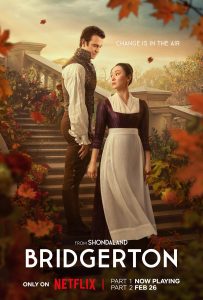
For example, the playful regency history gem Bridgerton, now in Season Five on Netflix, thrives on romantic entanglements, scandal, gossip, and social maneuvering. Lady Whistledown (the voice of Julie Andrews) functions almost like the omniscient gossip engine in daytime soaps. Her scandal sheets drive conflict, misunderstandings, and reputational crises. Just like in soaps, relationships and secrets are the engine that drives most of its stories.
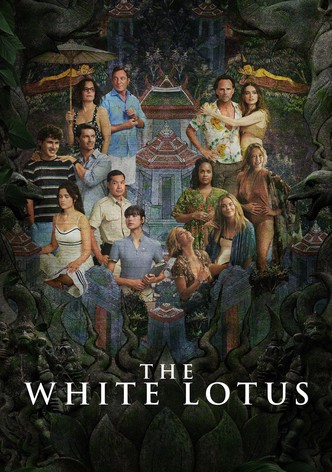
While more satirical, The White Lotus, still going strong on HBO in Season Four, uses soap-like ensemble storytelling—multiple characters with intersecting dramas, secrets slowly revealed, and escalating interpersonal tension. For example, the Shane/Armond rivalry, Rachel questioning her marriage immediately after her wedding, the Tanya and Belinda feud, and Tanya and Quentin’s conspiracy feel very soap-like.
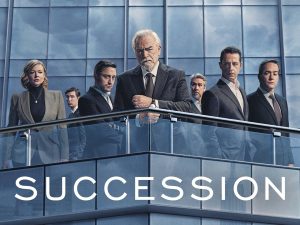
One standout example was Succession, HBO’s popular black comedy that ran from 2018 to 2023. It still has an enthusiastic fan base. I loved it for its masterful weave all of these “soapy” dynamics into a corporate power struggle—a storytelling approach long perfected by The Young and the Restless. There was the succession battle within the family, control of the company itself from unexpected outside sources, and emotional abuse (often by Patriarch Logan Roy) disguised as business. These affected the characters’ decisions, motivations, and loyalties in very realistic and sometimes destructive ways.

The Morning Show from Apple TV, still a hit after five seasons, is another favorite of mine. It leans heavily into melodrama: workplace rivalries, power struggles, scandals, betrayals, and shifting alliances. For example, long-time star anchor, Alex Levy, fears becoming obsolete, so she alternates between vulnerability, ruthless self-protection, genuine guilt, and sometimes misguided ambition. That’s classic soap opera emotional structure.
What defines all of these shows is not their platform, but their structure and themes. They are driven by ongoing narratives of love and loss, complex relationships, dysfunctional families, scandal, jealousy, and enduring friendship. These are the very elements that have defined soap operas for nearly a century.
By that measure, soap operas haven’t disappeared—they’ve simply evolved. They remain just as relevant and popular as ever, continuing to resonate with audiences across all age groups, just under different names and on different platforms. I believe the next evolution of soaps is already here—and it’s streaming. We may no longer rush home to catch an episode live or plan our day around our favorite soaps, but we absolutely make time to watch—or binge-watch—our favorite series to see what happens next. The experience has changed, but the impulse hasn’t. Whether we’re settled on the couch in front of a television or watching on a laptop or smartphone from virtually anywhere, the connection to the story remains the same. The technology has evolved, but our investment—our curiosity, our emotional engagement, our love for serialized storytelling—remains as strong as ever.
Days of Our Lives has already made the move to streaming, and I would suspect that the remaining network soaps will eventually follow. For some, that shift may be difficult—I still miss the simplicity of the three-network era—but, as with all evolution, we adapt. And, in time, we may even come to appreciate what’s gained along the way—just as those before us appreciated the added depth of seeing the characters they had once only imagined during the transition from radio to television.
What I am certain of is this: soap operas are still very much relevant in today’s media landscape. Their form may change, their platforms may evolve, but their core—the storytelling, the emotion, the connection—endures. And, I believe it always will.

Yes!! Soaps aren’t disappearing, they are influencing every other genre of television.
Thanks for writing in G.L.
Wow! What great insight. Thanks.